THE ELDER BROTHERS
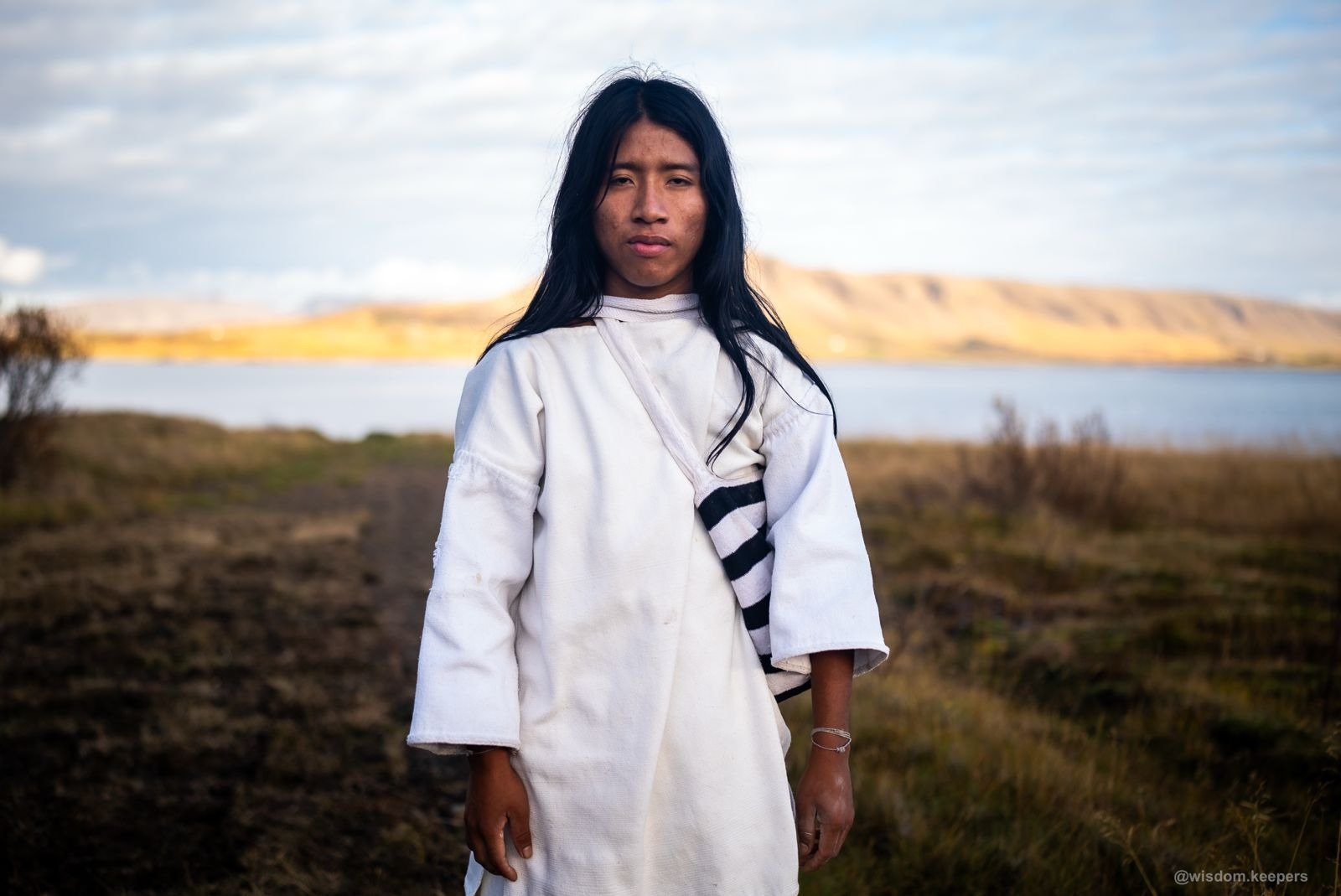
The Kogi refer to themselves as the “Elder Brothers” and view the rest of humanity as the “Younger Brothers.”
THE ELDER BROTHERS
According to Kogi tradition, they were entrusted with the responsibility of protecting the natural
balance of the world.
They call themselves the Elder Brothers because they believe they have preserved ancient
knowledge about humanity’s relationship with nature.
The rest of the world is referred to as the Younger Brothers – not as a criticism, but as a reminder
that modern society has become disconnected from the natural laws that sustain life.
For decades, Kogi spiritual leaders have shared a simple message: when nature is harmed, humanity
ultimately harms itself.
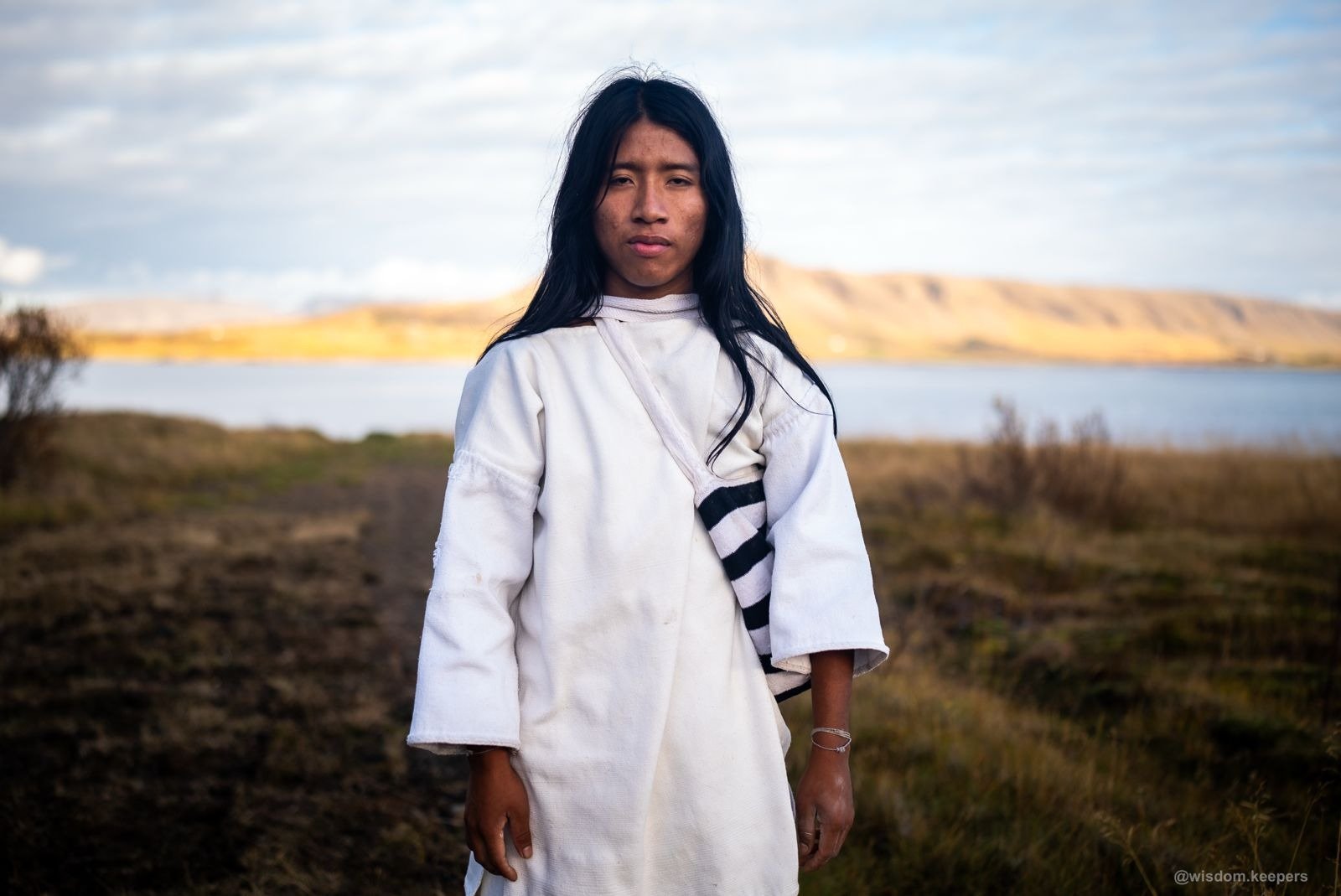
MEET THE ELDERS
Mamos
The Mamos are the spiritual authorities and wisdom keepers of the Sierra Nevada de Santa Marta.
From an early age, they undergo decades of traditional training to learn the Law of Origin, sacred
ceremonies, and the responsibilities of maintaining balance between humanity and nature. Their
guidance plays a central role in protecting the Heart of the World and preserving ancestral
knowledge for future generations.
Jacinto Zarabata
Traditional leader and representative of the Kogi people from the Río Ancho region. Jacinto works
closely with Mamos, families, and community authorities to protect sacred territories, strengthen
traditional governance, and preserve the ancestral wisdom of the Sierra Nevada de Santa Marta. He
serves as one of the principal coordinators of the Peace With Nature initiative and helps guide
projects that safeguard both Indigenous culture and biodiversity.
Francisco Zarabata
Community leader and liaison between Kogi communities, traditional authorities, and international
supporters. Francisco helps coordinate conservation initiatives, traditional education programs, and
cultural preservation efforts while ensuring that all activities remain aligned with the needs and
values of the Kogi people and the Law of Origin.
Community Leaders
Community leaders work alongside Mamos, families, and traditional authorities to strengthen local
communities, support education, protect cultural heritage, and coordinate conservation initiatives.
They help ensure that ancestral knowledge, traditional governance, and sustainable practices
continue to thrive for future generations.